
Data Science and AI in Travel: 12 Real-Life Use Cases Transforming the Industry
Published on September 12, 2025
Introduction
Artificial intelligence, data science, and engineering have changed the face of travel marketing. Based on a tourist profile, an itinerary could be proposed; a ticket secured; a chatbot is available for 24-hour inquiry; and for the traveler, an app is granted with predictive analytics for the traveler to have extremely tailored and yet efficient experiences. For a provider, these technologies can provide deep insights into their customer's behavior, their operational efficiency, and competitive positioning.
In this blog, we will discuss 12 real-world applications of data science and AI in the travel industry and how these innovations have been influencing contemporary travel planning, booking, and experiencing.
1. Personalized Travel Recommendations
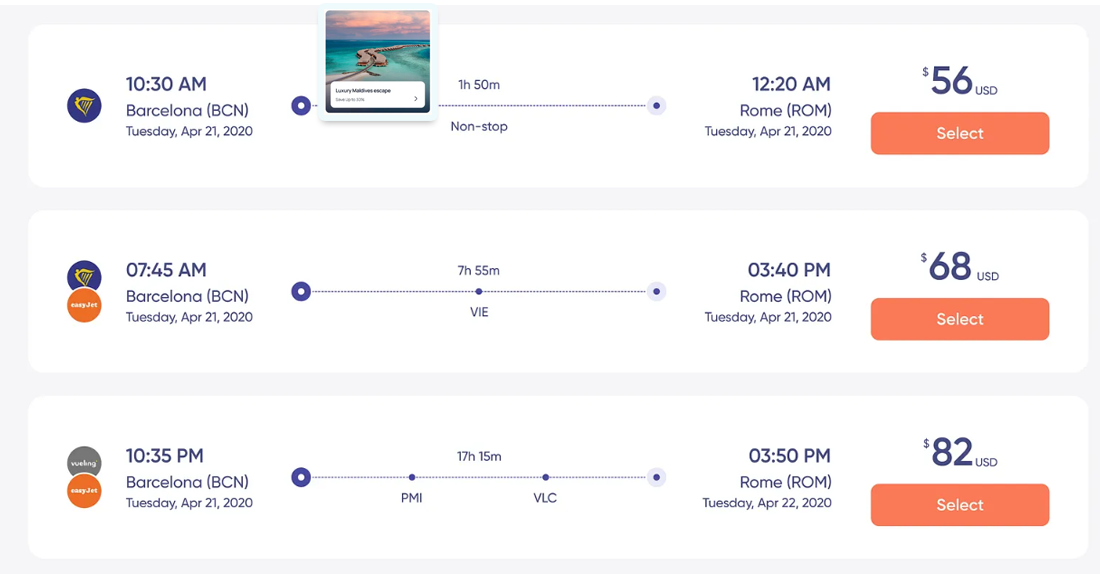
Use Case: Online travel agencies (OTAs) like Expedia, TripAdvisor, and Booking.com use machine learning algorithms to analyze past travel history, preferences, search behavior, and demographic data to suggest destinations, hotels, and activities.
Example: Airbnb uses AI to personalize home listings based on user preferences, seasonality, and location interest, improving user engagement and booking rates.
Benefits:
- Improved customer satisfaction
- Increased conversion rates
- Enhanced loyalty through relevant suggestions
2. Dynamic Pricing Optimization
Use Case: Airlines, hotels, and ride-sharing platforms use AI-powered dynamic pricing models that consider factors like demand, weather, time of year, competitor pricing, and booking behavior.
Example: Skyscanner and Hopper track historical flight prices and use predictive analytics to inform users when to book tickets at the lowest price.
Benefits:
- Maximized revenue
- Competitive advantage
- Transparent pricing for users
3. AI-Powered Virtual Assistants and Chatbots
Use Case: Travel companies deploy AI chatbots for customer support, booking assistance, and itinerary updates.
Example: KLM Royal Dutch Airlines uses a Facebook Messenger chatbot that helps passengers with booking confirmations, flight updates, and boarding pass retrieval.
Benefits:
- 24/7 customer service
- Cost-effective support
- Improved booking flow and engagement
4. Predictive Maintenance in Aviation
Use Case: Airlines use predictive analytics and IoT sensors to monitor aircraft health and predict maintenance needs before breakdowns occur.
Example: Delta Airlines and Lufthansa use AI-driven models to anticipate equipment failure, reducing unplanned delays.
Benefits:
- Reduced downtime
- Safer operations
- Cost-efficient maintenance schedules
5. Fraud Detection and Prevention
Use Case: Travel booking systems detect suspicious activity or payment fraud using machine learning anomaly detection algorithms.
Example: Amadeus and other global distribution systems (GDS) use AI models to flag high-risk bookings based on booking patterns, IP addresses, and card usage history.
Benefits:
- Reduced fraud-related losses
- Safer transactions for users
- Better brand trust
6. Smart Travel Itinerary Planning
Use Case: AI curates complete itineraries based on traveler interests, time, budget, and reviews.
Example: Google Travel and TripHobo use AI to build day-by-day itineraries, adjusting for weather, operating hours, and travel times between attractions.
Benefits:
- Time-saving and stress-free planning
- More personalized travel experiences
- Increased engagement with apps and platforms
7. Image Recognition for Baggage and Identity
Use Case: Airports and airlines implement AI-based facial recognition and image processing for faster passenger check-ins and luggage scanning.
Example: British Airways uses facial recognition for boarding at select gates, while Qatar Airways uses AI to trace lost baggage using image matching.
Benefits:
- Streamlined boarding and security
- Reduced lost baggage incidents
- Enhanced airport efficiency
8. Sentiment Analysis from Traveler Reviews
Use Case: Travel platforms use natural language processing (NLP) to analyze user reviews and ratings to extract traveler sentiment.
Example: TripAdvisor uses AI to categorize hotel and restaurant reviews as positive, negative, or neutral to improve recommendations.
Benefits:
- Better product and service feedback
- Helps travelers make informed decisions
- Enables sentiment-based ranking systems
9. AI-Based Translation and Language Support
Use Case: Tourist platforms and apps use AI translation tools to help users navigate foreign languages.
Example: Google Translate, powered by neural machine translation, helps tourists interpret signs, menus, and conversations in real-time using smartphone cameras or voice.
Benefits:
- Removes language barriers
- Enhances cultural immersion
- Broadens travel accessibility
10. Demand Forecasting and Capacity Management
Use Case: Airlines and hotels use AI to forecast demand, optimize staffing, and manage seat and room inventory.
Example: Hilton Hotels uses AI-driven demand forecasting to set room rates and staff allocation for each property based on historical data and external trends.
Benefits:
- Reduces overbooking or underutilization
- Improves operational planning
- Enhances guest satisfaction
11. Intelligent Customer Segmentation
Use Case: Data science enables travel businesses to segment users based on behavior, demographics, and preferences to tailor marketing campaigns.
Example: Expedia segments users into business travelers, family vacationers, and solo adventurers to run personalized promotions via email and push notifications.
Benefits:
- Improved marketing ROI
- Better user engagement
- Increased customer retention
12. AI-Powered Voice Search and Bookings
Use Case: Voice-enabled travel bookings are becoming more popular, especially with smart devices like Google Home and Amazon Alexa.
Example: Kayak and Skyscanner allow users to search flights, hotels, and rental cars via voice commands.
Benefits:
- Hands-free search and booking
- Seamless integration with smart home devices
- Enhanced accessibility
Conclusion
The travel experience—be it inspiration, planning, booking, flying, or lodging—is undergoing dramatic change due to the synergy of data science and AI. With real-time insights, predictive modelling, and personalization, travel services can get smarter, faster, and more intuitive.
With the advent of newer AI capabilities, we will come across immersive travel experiences like virtual city tours generated by AI, predictive visa advisories, or augmented-reality previews of hotels. The dawn of this new era will be arrived at by data-driven innovation.
Whether you stand at the intersection of travel companies, technology innovators, or a curious traveler, now is the time to tip the scales in favor of AI and data science.
