
How to Scrape Instagram Data? A Detailed Guide
Published on September 14, 2025
Introduction
Instagram has emerged as one of the most influential platforms for digital marketing, branding, influencer outreach, and audience engagement. Whether you're a data analyst, marketer, or developer, scraping Instagram data allows you to uncover valuable insights such as user behavior, trending hashtags, influencer performance, and post engagement.
However, scraping Instagram data is more complex than it might seem, mainly due to strict platform policies, frequent layout changes, and protective anti-bot mechanisms.
This guide will walk you through what kind of data you can scrape, how to do it ethically, tools and techniques, legal considerations, and best practices.
1. Why Scrape Instagram Data?
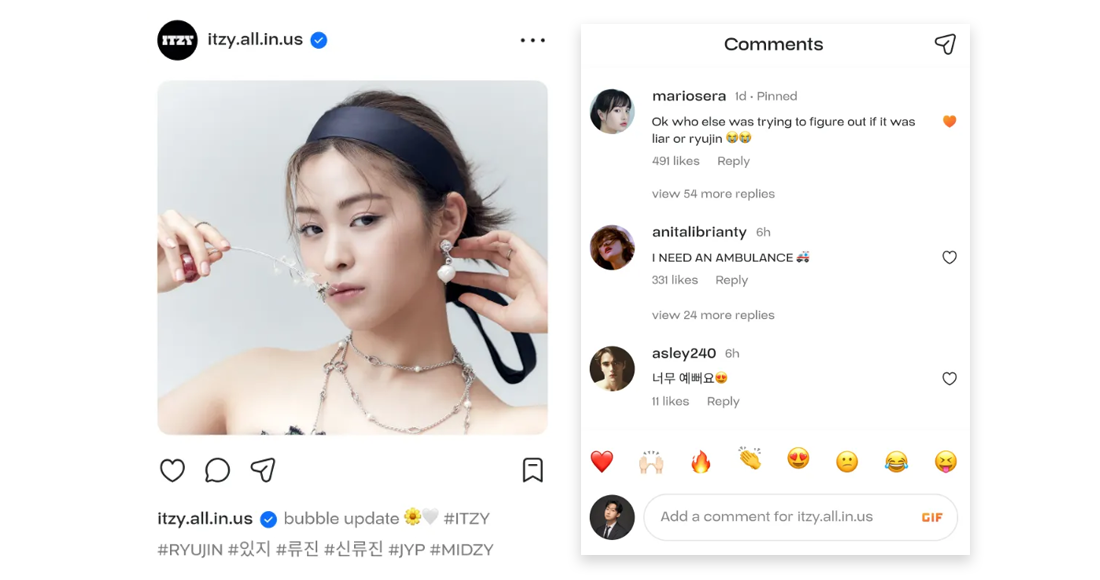
Instagram data scraping offers insights for:
- Influencer marketing analysis
- Competitor research
- Brand performance monitoring
- Trend spotting
- Sentiment analysis on posts/comments
- Hashtag optimization
- Product review aggregation
2. Types of Instagram Data You Can Scrape
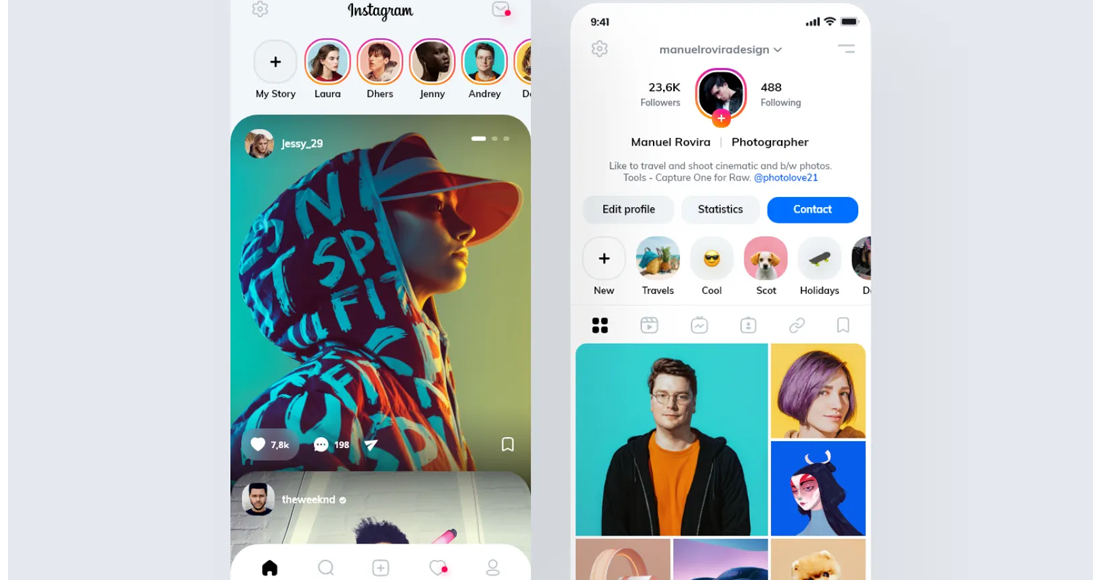
Here's what you can (publicly) access:
| Data Type | Description |
|---|---|
| Profile Data | Username, bio, follower count, following, profile pic |
| Post Metadata | Likes, comments, post date, caption, hashtags |
| Image/Video URLs | URLs of media (image or video) posted publicly |
| Hashtag Data | Posts using a particular hashtag |
| Location Tags | Posts tagged with a specific location |
| Comments | User comments under posts |
| Stories/Reels (Limited) | Metadata (only if archived/snapshotted via browser) |
Note: Scraping private accounts, DMs, or behind-login content violates Instagram’s TOS.
3. Legal and Ethical Considerations
- Respect Instagram’s Terms of Service – Scraping data in violation of their TOS can lead to IP bans or legal issues.
- Avoid collecting PII (Personally Identifiable Information) unless you have user consent.
- Avoid high-frequency automated scraping to reduce server strain and legal risk.
- Consider using Instagram Graph API for authorized, ethical data access (available for business/creator accounts).
4. Available Options for Instagram Data Collection
Option 1: Instagram Graph API (Official Method)
- Requires an approved business or creator account
- Provides limited but structured access (followers, posts, insights, engagement)
- Data like hashtags, impressions, and stories are available via specific API endpoints
- Suitable for influencer platforms, brand dashboards, and B2B apps
Option 2: Web Scraping (Unofficial Method)
If you need broader or more specific public data (like multiple hashtags, competitor profiles, etc.), you can scrape Instagram using:
- Requests + BeautifulSoup (for static content)
- Selenium or Playwright (for JavaScript-rendered pages)
- Undetected Chrome Driver (to bypass basic bot detection)
⚠️ Web scraping should target public, non-authenticated pages only.
5. Tools and Libraries for Instagram Scraping
| Tool/Library | Description |
|---|---|
| Instaloader | Python library to download posts, stories, profiles |
| Selenium / Playwright | Browser automation for scraping dynamic Instagram pages |
| BeautifulSoup | HTML parsing for simple post/profile scraping |
| Requests | Send HTTP requests to endpoints and retrieve raw HTML/JSON |
| Puppeteer | Node.js tool for headless Chrome browser scraping |
6. How to Scrape Instagram – Step-by-Step
6.1 Setup with Instaloader (Best for Quick Use)
pip install instaloader6.2 Example: Download Public Posts from a Profile
import instaloader

L = instaloader.Instaloader()

# Load a public profile (no login required)
profile = instaloader.Profile.from_username(L.context, 'natgeo')

for post in profile.get_posts():
    print(post.url)  # Media URL
    print(post.caption)  # Post caption
    print(post.likes)  # Number of likes
    print(post.date)   # Post timestamp
6.3 Scraping Hashtag Posts
hashtag = instaloader.Hashtag.from_name(L.context, 'travel')

for post in hashtag.get_posts():
    print(post.shortcode)
    print(post.caption)
Instaloader can also download:
- Profile pictures
- IGTV videos
- Stories (only if logged in)
7. Advanced Scraping with Selenium (Dynamic Content)
If you want to scrape more complex content or bypass JavaScript rendering, use Selenium.
Setup
pip install seleniumDownload the corresponding ChromeDriver from https://chromedriver.chromium.org/
Basic Script
from selenium import webdriver
from selenium.webdriver.common.by import By
import time

driver = webdriver.Chrome()

driver.get("https://www.instagram.com/natgeo/")
time.sleep(5)

# Scroll and extract post links
posts = driver.find_elements(By.XPATH, "//a[contains(@href, '/p/')]")
for post in posts:
    print(post.get_attribute("href"))

driver.quit()
⚠️ You'll likely face rate limiting or blocks. Use:
- Headless mode
- Random user agents
- Delays and backoff strategies
- CAPTCHA solving (e.g., 2Captcha API)
8. Avoiding Rate Limiting and Detection
- Use rotating proxies (residential or mobile proxies preferred)
- Rotate user-agent headers
- Add randomized sleep intervals
- Implement retry logic
- Limit scraping to public endpoints
9. Common Instagram Scraping Use Cases
- Influencer Analysis: Track follower growth, engagement rate, most engaging content.
- Hashtag Tracking: Scrape popular posts under a hashtag to analyze trends.
- Brand Monitoring: Analyze comments and posts mentioning a brand name.
- Sentiment Analysis: Perform NLP on captions and comments to extract user sentiment.
- Media Collection: Build datasets of images or videos for research and machine learning.
10. Ethical and Legal Reminder
- Use official APIs where possible
- Stay within legal and ethical boundaries
- Avoid scraping private accounts or bypassing login pages
Conclusion
Instagram scraping can offer immense strategic and research value, but it must be approached thoughtfully. Whether you're leveraging official APIs or using browser automation tools for public content, ensure compliance, use best practices, and always respect privacy and platform limitations.
By choosing the right tools and following ethical scraping principles, you can extract rich, actionable Instagram data for marketing, analytics, and business intelligence—without crossing the line.
